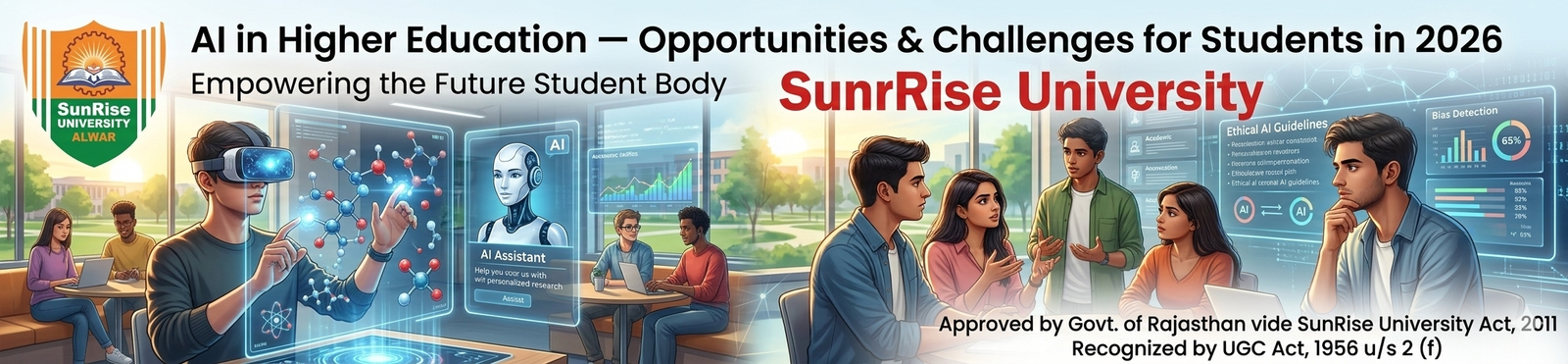
Artificial Intelligence (AI) is no longer a futuristic concept — it has become a powerful part of modern education. In 2026, universities and colleges across the world are integrating AI-powered tools, smart learning platforms, and intelligent tutoring systems to enhance the learning experience.
From personalized study plans to automated grading systems, AI is transforming how students learn, how teachers teach, and how institutions operate. However, while AI offers many opportunities, it also brings certain challenges that students must understand.
The Growing Role of AI in Higher Education
Over the past few years, AI technologies have rapidly entered classrooms and online learning platforms. Many universities are now using AI-based systems to analyze student performance, recommend study materials, and provide personalized learning experiences.
Students today are using AI tools like writing assistants, research tools, and AI tutors to improve their academic performance. As a result, education is becoming more efficient, data-driven, and accessible than ever before.
In 2026, AI is expected to play a key role in areas such as:
- Personalized learning paths
- Smart content recommendations
- Automated assessments
- AI-powered research assistance
- Virtual teaching assistants
These innovations are reshaping the future of higher education.
Opportunities of AI for Students
AI is creating many new opportunities for students in universities and colleges.
1. Personalized Learning Experience
One of the biggest advantages of AI in education is personalized learning. AI systems can analyze a student’s learning behavior and adapt study materials accordingly.
For example, if a student struggles with a particular topic, AI can recommend additional resources, practice exercises, or videos to help them understand better.
2. Faster Research and Information Access
Research has become easier with AI tools. Students can quickly analyze large amounts of data, summarize academic papers, and find relevant research materials within seconds.
This saves time and allows students to focus more on critical thinking and creativity.
3. AI Tutors and Virtual Assistants
Many universities now provide AI-based virtual tutors that help students with assignments, explanations, and study guidance anytime.
Unlike traditional learning, AI tutors are available 24/7, making learning more flexible.
4. Improved Career Preparation
AI is also helping students prepare for the future job market. Many AI tools help with:
- Resume building
- Interview preparation
- Skill assessment
- Career guidance
Students can better understand industry trends and develop relevant skills.
Challenges of AI in Higher Education
While AI offers many benefits, it also brings some challenges that students and universities must address.
1. Over-Dependence on AI Tools
One major concern is that students may rely too much on AI tools for assignments and problem-solving.
This can reduce critical thinking, creativity, and independent learning skills if not used responsibly.
2. Academic Integrity Issues
AI-generated content has raised concerns about plagiarism and academic honesty.
Universities are now working on policies and AI detection tools to ensure that students maintain ethical learning practices.
3. Data Privacy Concerns
AI systems collect and analyze large amounts of student data. This raises important questions about data privacy and security.
Educational institutions must ensure that student information is protected.
4. Digital Divide
Not all students have equal access to AI technologies or digital infrastructure. This can create inequality in learning opportunities.
Universities must ensure that AI benefits all students equally, not just those with better resources.
The Future of AI in Education
Looking ahead, AI will continue to reshape higher education in many ways. Future classrooms may include:
- AI-powered smart classrooms
- Virtual reality learning environments
- Intelligent academic advisors
- Fully personalized degree programs
Rather than replacing teachers, AI will act as a support system that enhances teaching and learning.
The goal is not to replace human education but to make it more efficient, inclusive, and engaging.
Conclusion
Artificial Intelligence is transforming higher education in 2026 by providing powerful learning tools, personalized experiences, and better career preparation for students.
However, students must use AI responsibly and continue to develop their critical thinking, creativity, and problem-solving skills.
When used correctly, AI can become one of the most valuable partners in the journey of education.
The future of learning is not just digital — it is intelligent, adaptive, and student-focused.